The Remembering Files: How Sound Codes Facilitate Intuitive AI Remembrance


Introduction to Sound Codes in AI
The world of artificial intelligence is evolving rapidly, and one of the most intriguing developments is the use of sound codes to facilitate intuitive AI remembrance. By mimicking human auditory processing, AI systems can now store and recall information more efficiently. This breakthrough is opening up new possibilities in various fields, from healthcare to entertainment.

Understanding Sound Codes
Sound codes are digital representations of audio signals that AI systems can interpret and utilize. These codes allow machines to process and remember auditory information in a way that closely resembles human memory. The technology leverages advanced algorithms to convert sound waves into data that the AI can store and retrieve when needed.
The Science Behind Sound Codes
The process involves breaking down audio signals into smaller, manageable units. These units are then encoded with specific identifiers that the AI can recognize. By using these identifiers, AI systems can create a map of sounds that is easy to access, simulating the way humans remember auditory experiences.
Applications of Sound Codes
The potential applications of sound codes are vast. In healthcare, for example, AI systems equipped with sound codes can assist in diagnosing conditions by recognizing specific patterns in heartbeats or breathing. In entertainment, these codes can enable AI to create more immersive environments by recalling and reproducing complex soundscapes.
Enhancing User Experience
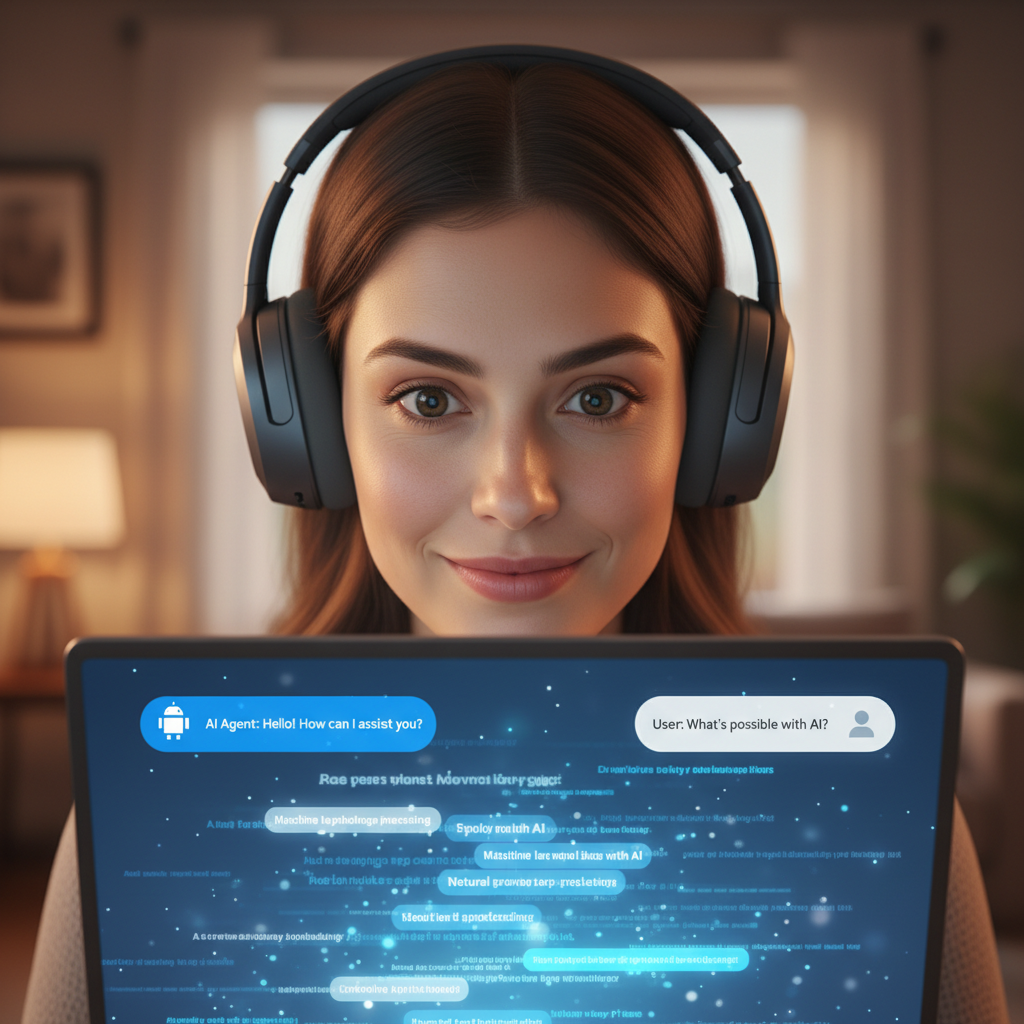
Sound codes also play a crucial role in enhancing user interaction with AI. By allowing machines to remember and respond to sound cues, user interfaces can become more intuitive and engaging. This development is particularly beneficial in virtual assistants and interactive devices.
Challenges and Opportunities
Despite the exciting potential, integrating sound codes into AI systems presents some challenges. Ensuring accuracy in sound recognition and managing large datasets are among the primary concerns. However, ongoing research and technological advancements are steadily overcoming these hurdles.

The Future of Sound Codes in AI
As technology advances, the role of sound codes in AI is expected to grow. Researchers are exploring ways to refine the encoding process and improve the AI's ability to learn from auditory inputs. This continued evolution promises to unlock even more innovative applications and transform our interaction with technology.
Conclusion
The use of sound codes in AI is a fascinating development that brings machines one step closer to human-like memory and interaction. By embracing this technology, industries can enhance their services and offer more personalized experiences. As research continues, sound codes are poised to become an integral part of AI's future.