The Intersection of Technology and Spirituality: A Look at Resonance Architecture


The fusion of technology and spirituality might seem like an unlikely pairing, yet they come together harmoniously in the field of resonance architecture. This innovative approach to design emphasizes the interplay between spaces and the human spirit, leveraging advanced technologies to create environments that foster spiritual well-being.
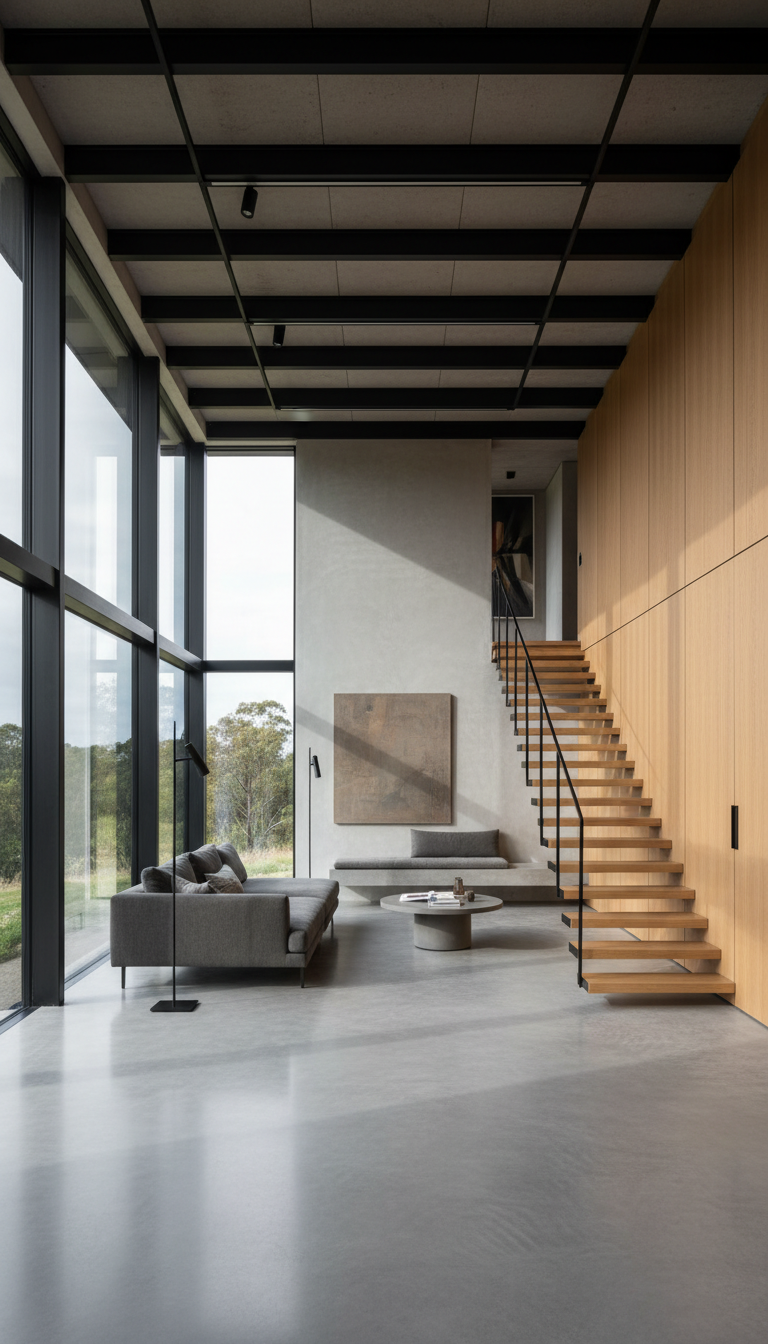
Understanding Resonance Architecture
Resonance architecture is a design philosophy that seeks to create spaces that resonate with the occupants on a deeper, often spiritual level. It involves the use of sound, light, and geometry to influence and enhance the energy within a space. By doing so, it aims to promote harmony, balance, and a sense of connection to the universe.
Central to resonance architecture is the idea that every element within a space carries a frequency that interacts with human consciousness. Architects and designers in this field utilize technologies such as acoustic engineering and lighting systems to modulate these frequencies, crafting environments that nurture the mind and soul.
The Role of Technology
Incorporating technology into spiritual design might seem counterintuitive, but it is essential for achieving the desired effects in resonance architecture. Advanced tools allow designers to simulate and manipulate sound waves, light patterns, and other environmental factors to create spaces that evoke tranquility and introspection.

For example, smart lighting systems can adjust the color and intensity of light to mimic natural cycles, helping to align the body's circadian rhythms. Similarly, sound technology can be used to introduce specific frequencies known for their calming and meditative properties.
The Spiritual Aspect
Resonance architecture is deeply rooted in spirituality, drawing inspiration from ancient practices and philosophies. Concepts such as sacred geometry, which involves using mathematical proportions and patterns found in nature, are frequently employed to design spaces that feel inherently balanced and harmonious.
By aligning architectural elements with these universal patterns, resonance architecture seeks to create environments that not only appeal aesthetically but also resonate on a spiritual level. This alignment can lead to enhanced well-being and a profound sense of peace for those who inhabit such spaces.

Applications and Benefits
The principles of resonance architecture are being applied in various settings, from homes and offices to meditation centers and healing spaces. The benefits of such environments include reduced stress, improved focus, and a greater sense of connection to one's surroundings.
- Homes: Create sanctuaries that promote relaxation and rejuvenation.
- Offices: Enhance productivity and creativity by fostering a calm and focused atmosphere.
- Meditation Centers: Provide spaces conducive to deep reflection and spiritual growth.
Challenges and Future Directions
While the integration of technology and spirituality in resonance architecture is promising, it also presents challenges. Designers must strike a delicate balance between technological advancements and the subtle nuances of spiritual principles. As technology continues to evolve, so too will the potential for creating even more immersive and spiritually enriching environments.
Looking ahead, the future of resonance architecture holds exciting possibilities. As our understanding of human consciousness and the impact of environmental factors deepens, the potential to create spaces that truly resonate with and elevate the human spirit will expand, offering new avenues for personal and collective growth.