Crystalline Sound Codes vs. Traditional Meditation: A Comparative Analysis


Introduction to Crystalline Sound Codes and Traditional Meditation
Meditation has long been a cornerstone of mental and spiritual wellness. With the emergence of new techniques, such as Crystalline Sound Codes, enthusiasts and practitioners are exploring innovative ways to enhance their practices. But how do these new approaches compare with traditional meditation? Let's delve into a comparative analysis.

Understanding Traditional Meditation
Traditional meditation encompasses a variety of practices that focus on mindfulness, concentration, and awareness. These techniques often involve:
- Mindfulness Meditation: Concentrating on the present moment and observing thoughts without judgment.
- Guided Meditation: Following instructions, often with an audio guide, to achieve a state of calm and relaxation.
- Mantra Meditation: Repeating a word or phrase to focus the mind and eliminate distractions.
For centuries, these methods have been used to reduce stress, improve focus, and promote emotional health.
The Emergence of Crystalline Sound Codes
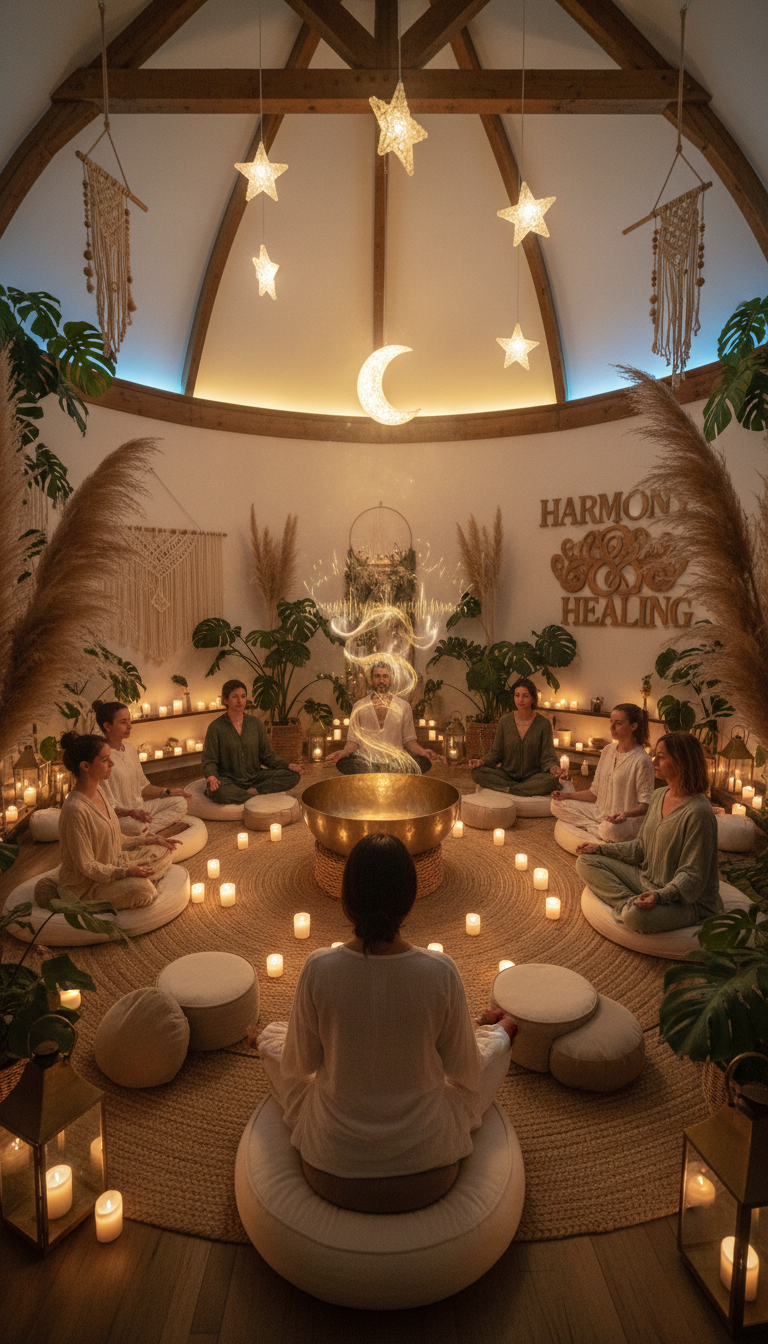
Crystalline Sound Codes are a more recent addition to the meditation landscape. This technique uses specific sound frequencies to influence the body's energy fields and promote healing. Proponents believe these sound codes can:
- Enhance spiritual awakening and consciousness.
- Accelerate personal growth and transformation.
- Balance energy centers within the body.
These sound frequencies are often perceived as a bridge between the physical and spiritual realms.
Comparative Analysis: Benefits and Experiences
When comparing Crystalline Sound Codes with traditional meditation, several factors come into play:
1. Sensory Experience
Traditional meditation often focuses on internal silence and stillness, whereas Crystalline Sound Codes incorporate auditory stimulation to deepen the experience. The unique sound frequencies can create a more dynamic and engaging meditative state.
2. Accessibility and Ease
For beginners, traditional meditation might require practice and patience to achieve noticeable benefits. In contrast, the auditory nature of Crystalline Sound Codes can be more immediately accessible and may provide quicker entry into meditative states.
3. Purpose and Goals
While both practices aim to promote well-being, they may serve different purposes. Traditional meditation is often pursued for stress reduction and mindfulness, whereas Crystalline Sound Codes might be chosen for spiritual exploration and energy healing.
Conclusion
Both Crystalline Sound Codes and traditional meditation offer unique paths to mental and spiritual wellness. Choosing between them depends on individual preferences, goals, and experiences. For those seeking a novel approach, Crystalline Sound Codes might provide an intriguing alternative, while traditional meditation remains a timeless practice with proven benefits.
Exploring both methods may enrich your journey, offering diverse tools for personal growth and transformation.