A Journey with Ka’lia Niesha: Understanding Resonance Architecture


Exploring the World of Resonance Architecture
Resonance Architecture is an innovative approach that harmonizes structures with their surroundings. Guided by the visionary architect Ka’lia Niesha, this design philosophy integrates environmental, social, and spiritual elements to create spaces that resonate on multiple levels. Understanding these principles can transform how we perceive and interact with our built environment.
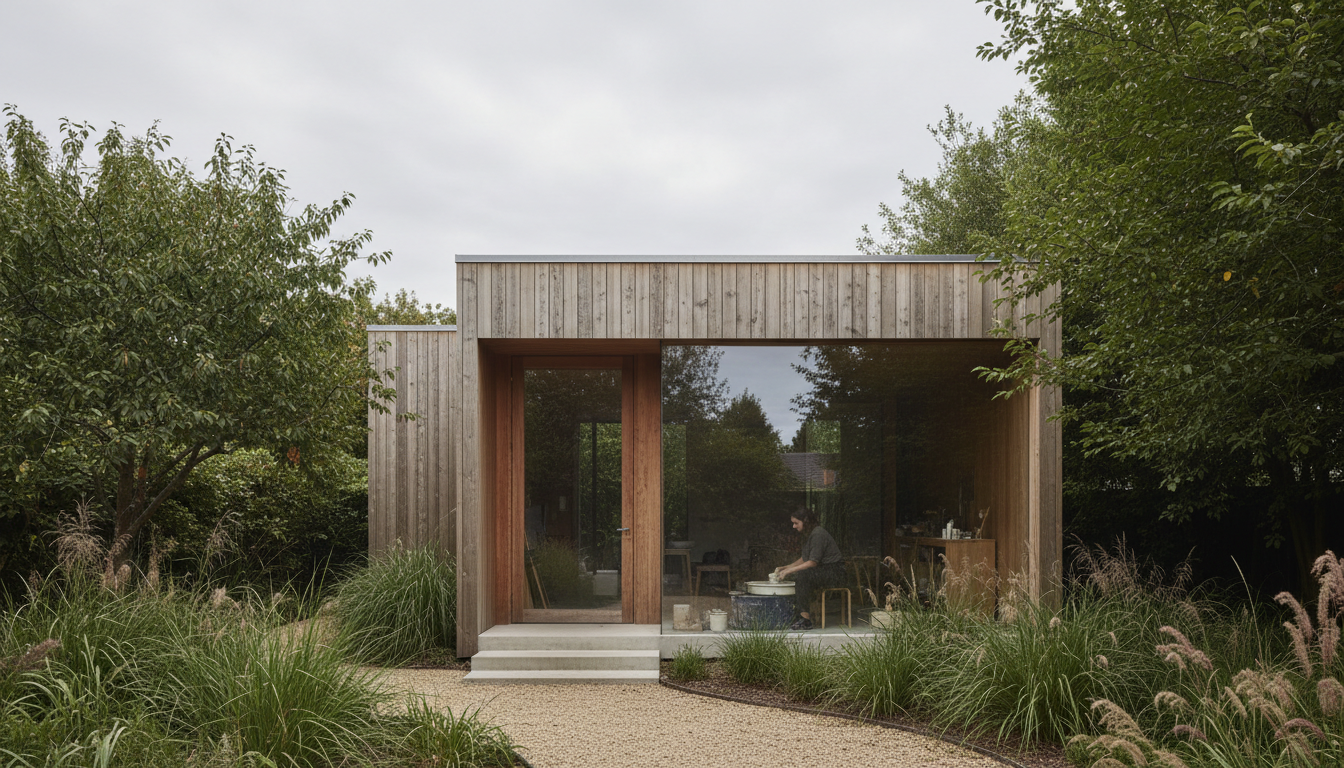
At its core, Resonance Architecture seeks to create a symbiotic relationship between buildings and their natural context. By considering factors like light, sound, and energy flow, it ensures that structures are not only functional but also enhance the well-being of their occupants. This holistic approach is what sets it apart from traditional architectural practices.
The Principles of Resonance Architecture
Ka’lia Niesha emphasizes several key principles that define Resonance Architecture. These include sustainability, cultural sensitivity, and innovative use of materials. By prioritizing these elements, architects can craft spaces that are both aesthetically pleasing and environmentally responsible.
Sustainability is at the forefront, with designs that minimize environmental impact through efficient energy use and resource management. Structures are often equipped with renewable energy systems, such as solar panels or geothermal heating, to reduce their carbon footprint and maximize efficiency.

Cultural Sensitivity and Innovation
Another crucial aspect is the respect for cultural heritage and the integration of local traditions. By incorporating indigenous materials and techniques, Resonance Architecture pays homage to the history and identity of a place, while also embracing modern innovations.
Ka’lia Niesha often collaborates with local artisans to incorporate handcrafted elements into her designs, ensuring that each project is unique and deeply connected to its location. This not only supports local economies but also enriches the architectural tapestry of the area.

The Impact on Community and Lifestyle
Resonance Architecture extends beyond individual buildings; it influences entire communities by fostering a sense of belonging and enhancing quality of life. Thoughtfully designed public spaces encourage social interaction, promote health, and create vibrant neighborhoods.
By prioritizing pedestrian-friendly layouts, accessible green spaces, and communal gathering areas, this architectural approach helps build stronger, more connected communities. Residents enjoy improved mental and physical well-being, thanks to environments that support active and engaged lifestyles.

The Future of Resonance Architecture
As more people become aware of the benefits of Resonance Architecture, its influence continues to grow. Architects and designers worldwide are increasingly adopting these principles, driven by a desire to create more sustainable, harmonious, and meaningful spaces.
Ka’lia Niesha’s pioneering work inspires a new generation of architects to think beyond aesthetics and functionality. By embracing the principles of Resonance Architecture, they are shaping a future where our built environments are more aligned with the natural world and the communities they serve.